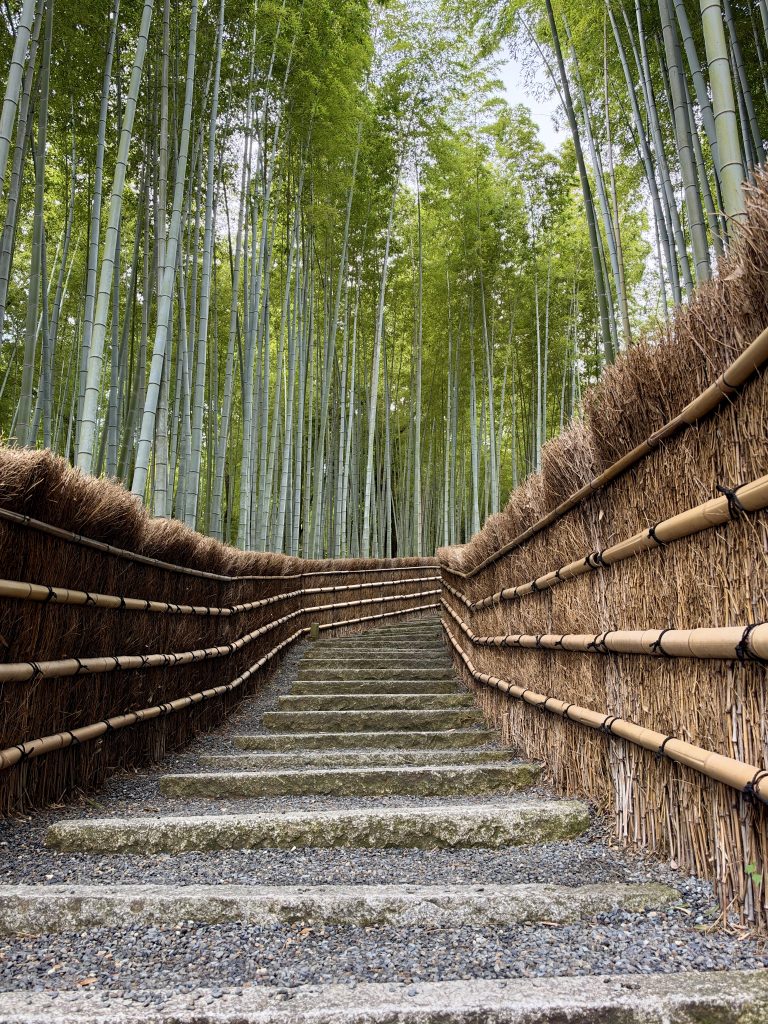
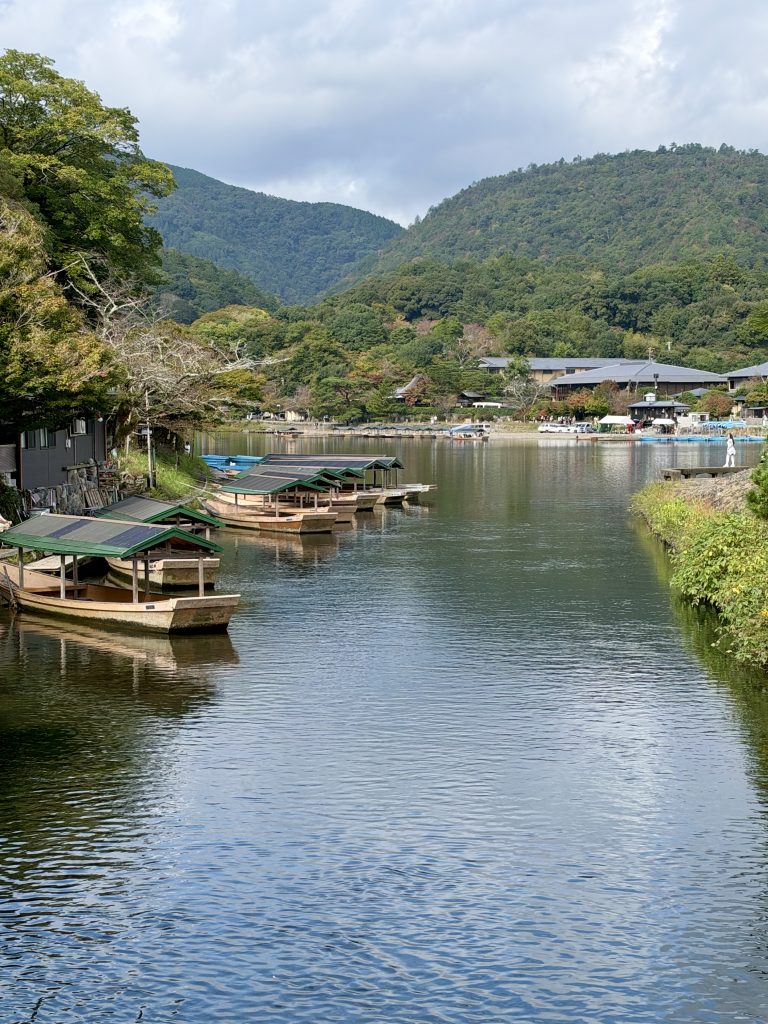
For our time in Kyoto we decided to divide the city in half between East and West. Since day one focused on the Eastside we hopped on a bus headed West this morning with our first stop being the Arashiyama Bamboo Forest. This bamboo forest is one of the most popular sites in the city thanks to picturesque walkways and low cost (its free!) so we set out early to beat the crowds. The early start allowed us to freely meander the sprawling grove and admire the scenery.
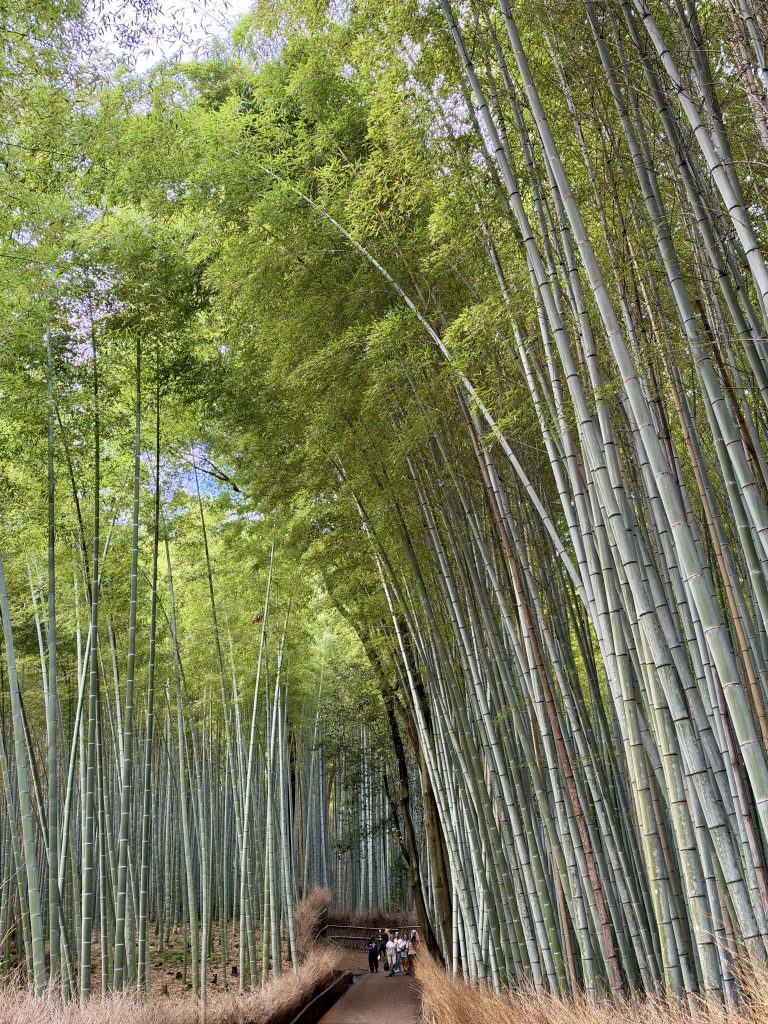
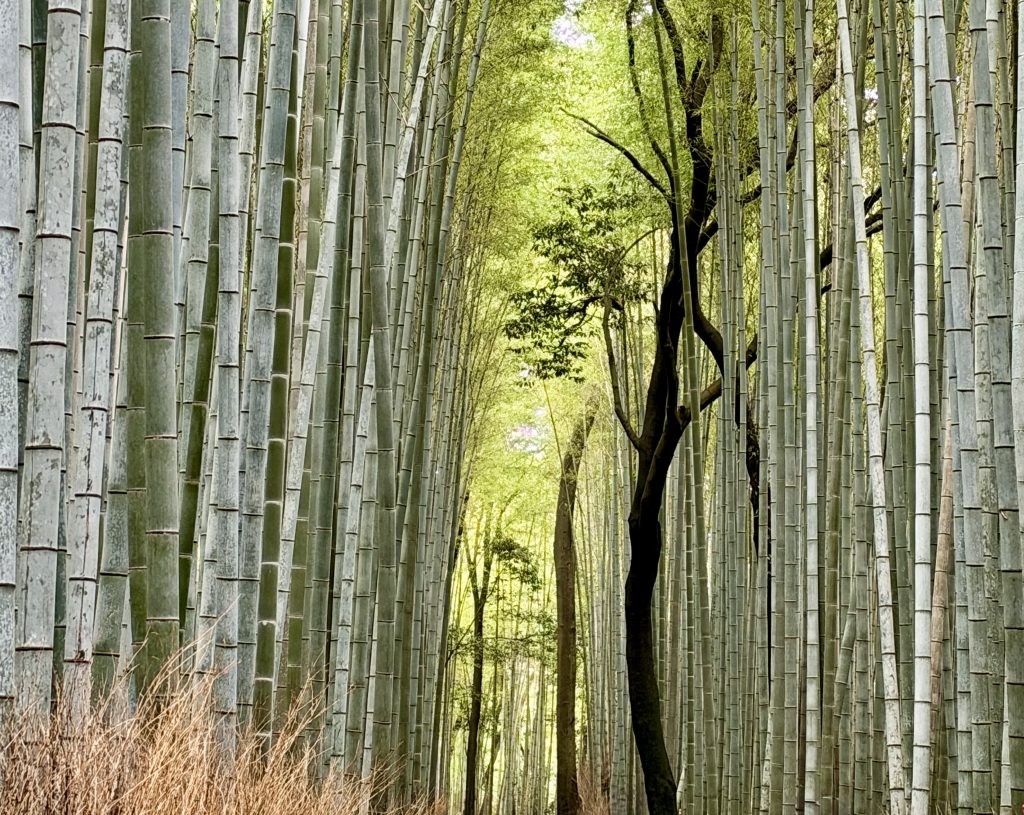
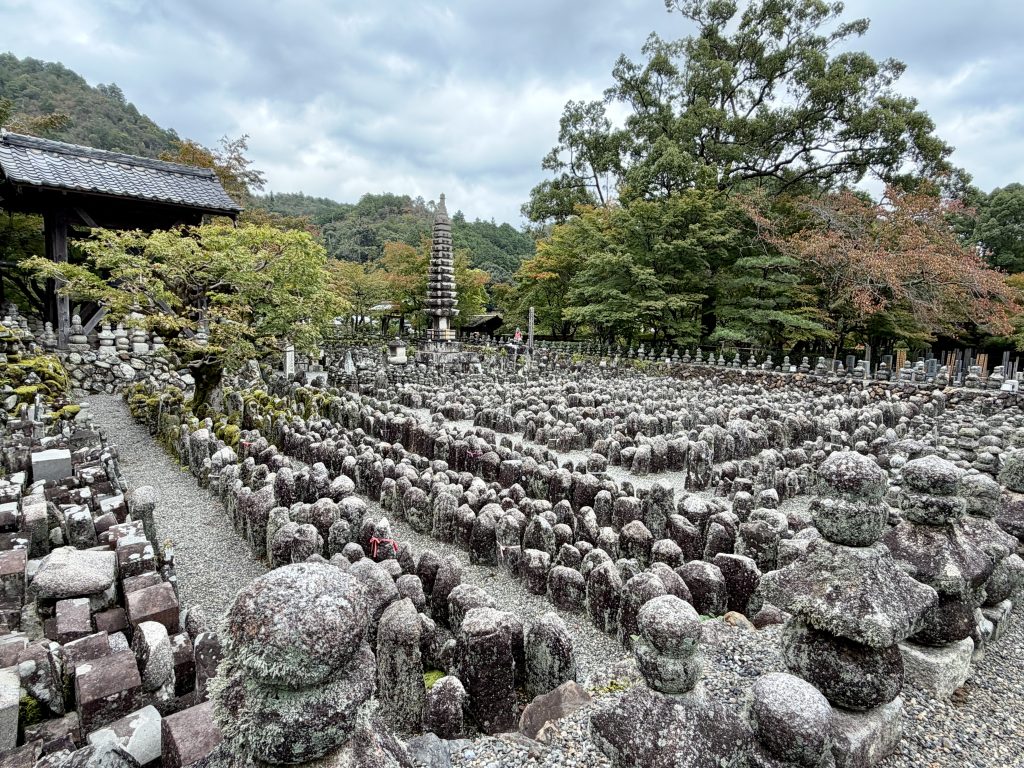
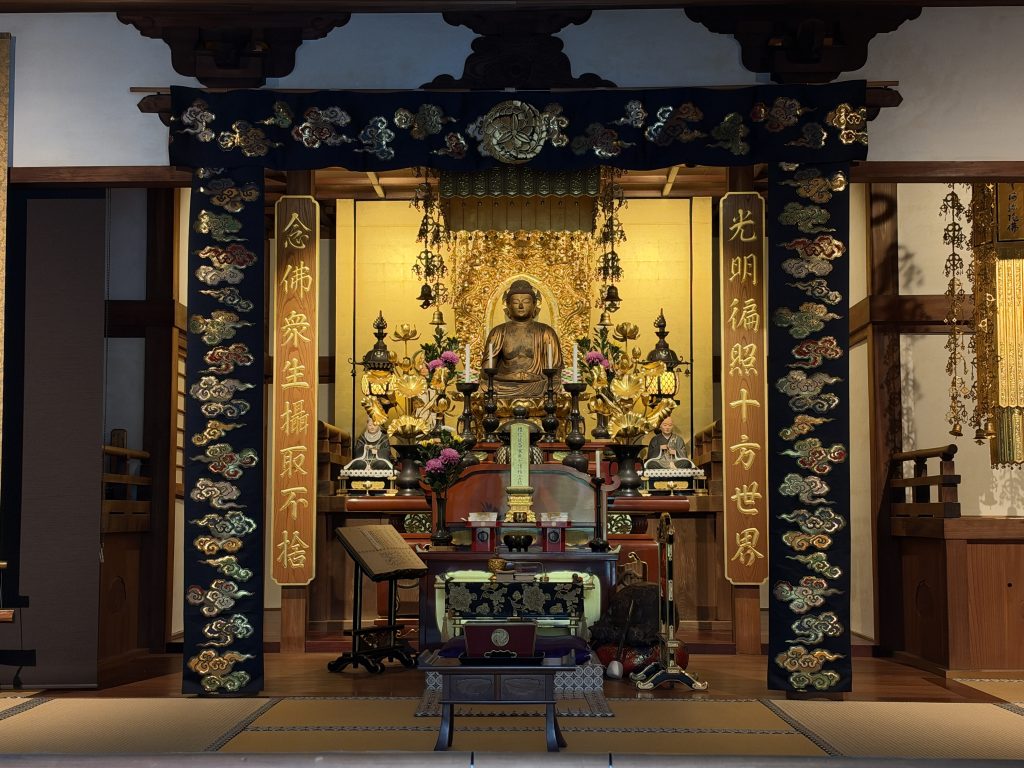
From Arashiyama we set off on foot to Adashino Nenbutsuji Temple which has a smaller, more tranquil bamboo forest and a Buddhist temple. The temple and grounds are dedicated to those who have died without next of kin to remember them. 1300 years ago a monk buried eight thousand statues of Buddha in honor of those individuals and since then those statues have been unearthed so that they may be honored during an annual ceremony each August.
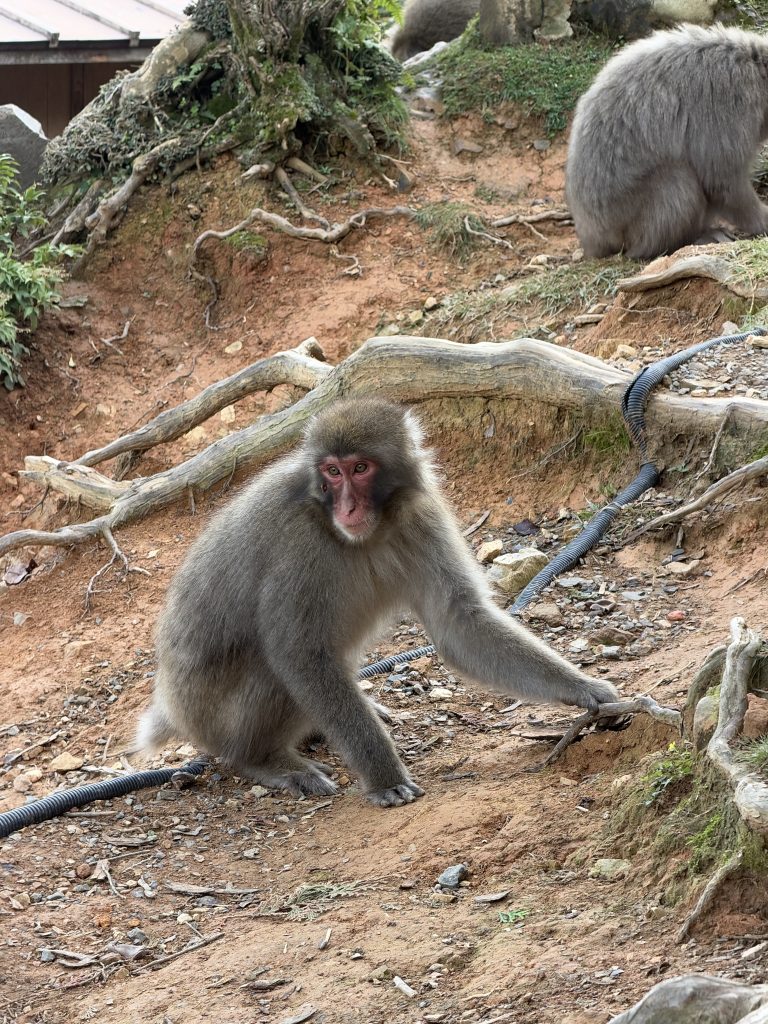
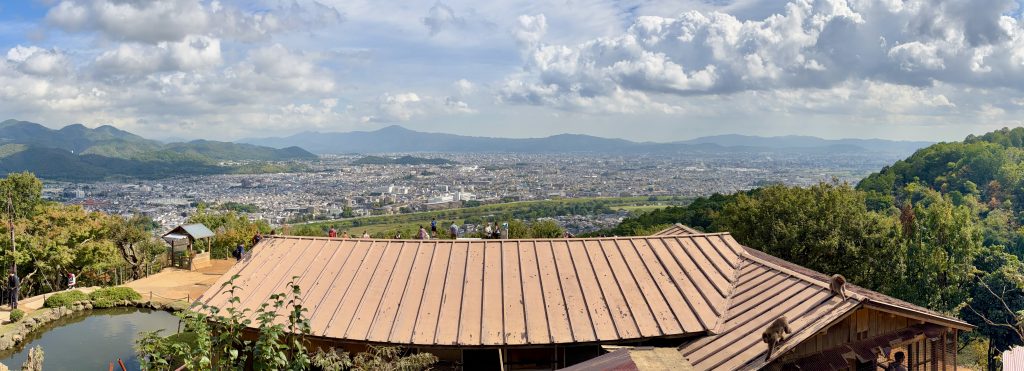
Having our fill of Westside flora our next stop brought us to some playful quadrupeds in a troop of Japanese Macaques. The Arashiyama Monkey Park allows visitors unparalleled views of Kyoto from 500 feet above the city and up close and personal interaction with the local monkey population. The park is more akin to a preserve than a zoo as the monkeys are free to room around as they please while the human guests are required to keep their distance. It is also possible to feed the monkeys through the chain link fence of an enclosed facility. The monkeys were hilarious and we greatly enjoyed watching them run across the field, climb trees and jump up to get treats from young kids and excited tourists. Watching the monkeys eat their snacks got food on our minds so we descended the park in search of lunch.
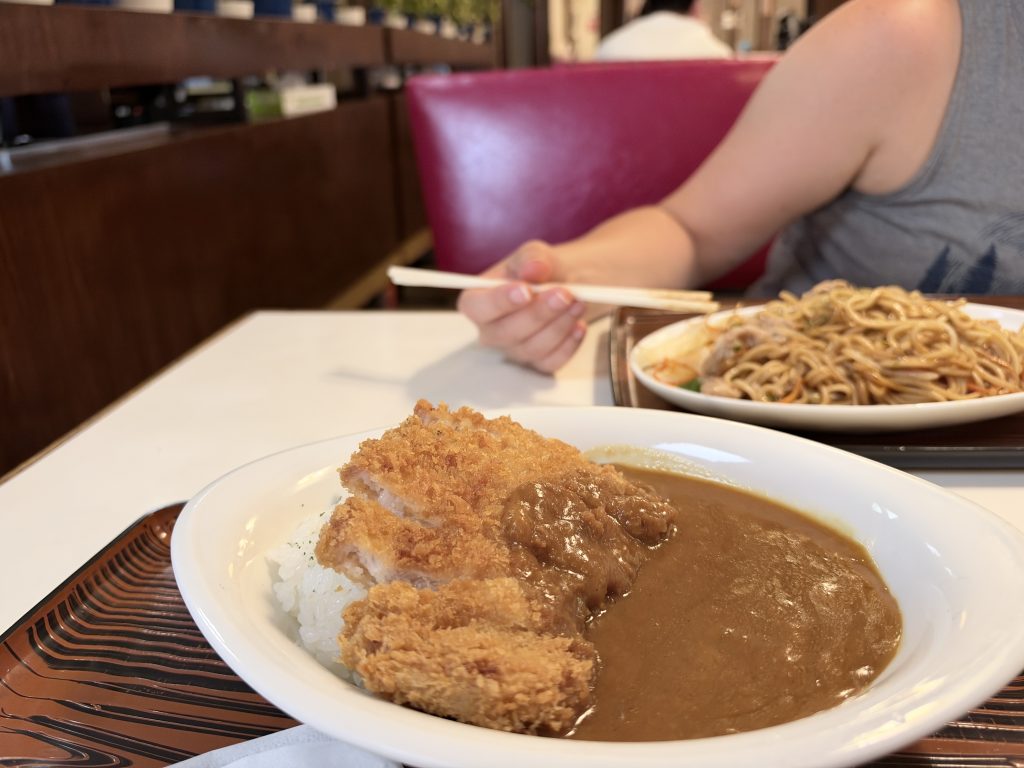
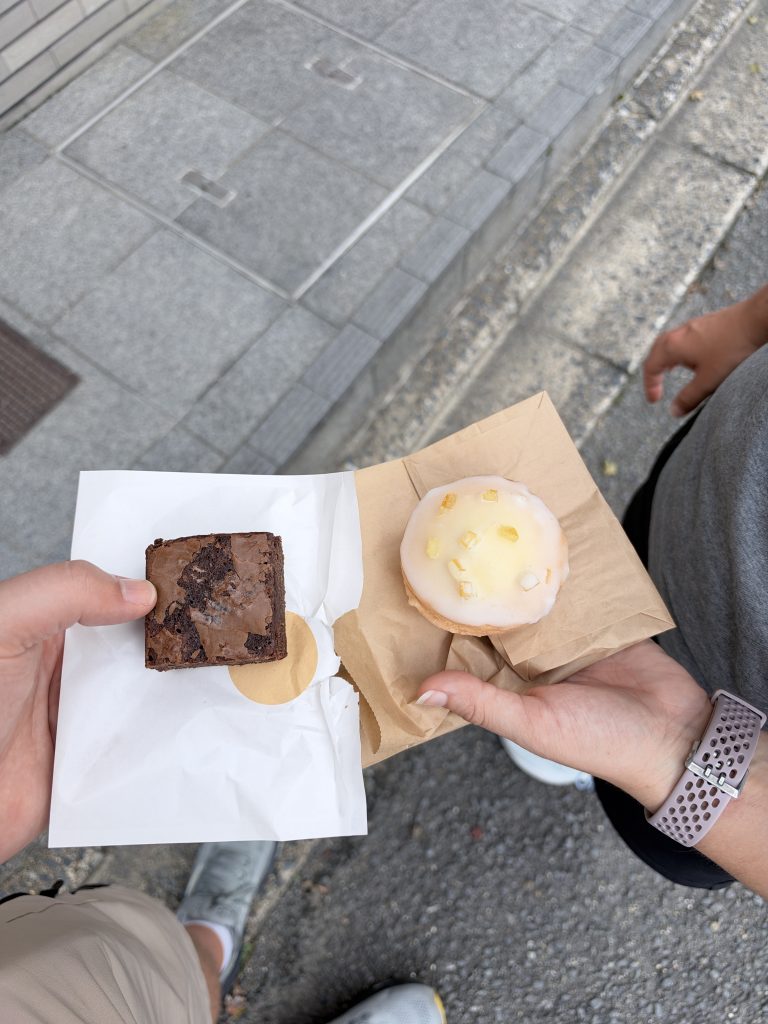
We stopped at a hole-in-the-wall restaurant where the staff only spoke Japanese and we were the only tourists. Thanks to our rudimentary Japanese skills combined with some pointing and head nodes we enjoyed a delicious lunch of dry soba noodles and pork tonkatsu curry. Coincidentally a well known bakery was nearby so we stopped in for some post lunch treats. No longer “hangry,” we made our way up to the Ryōan-ji temple.
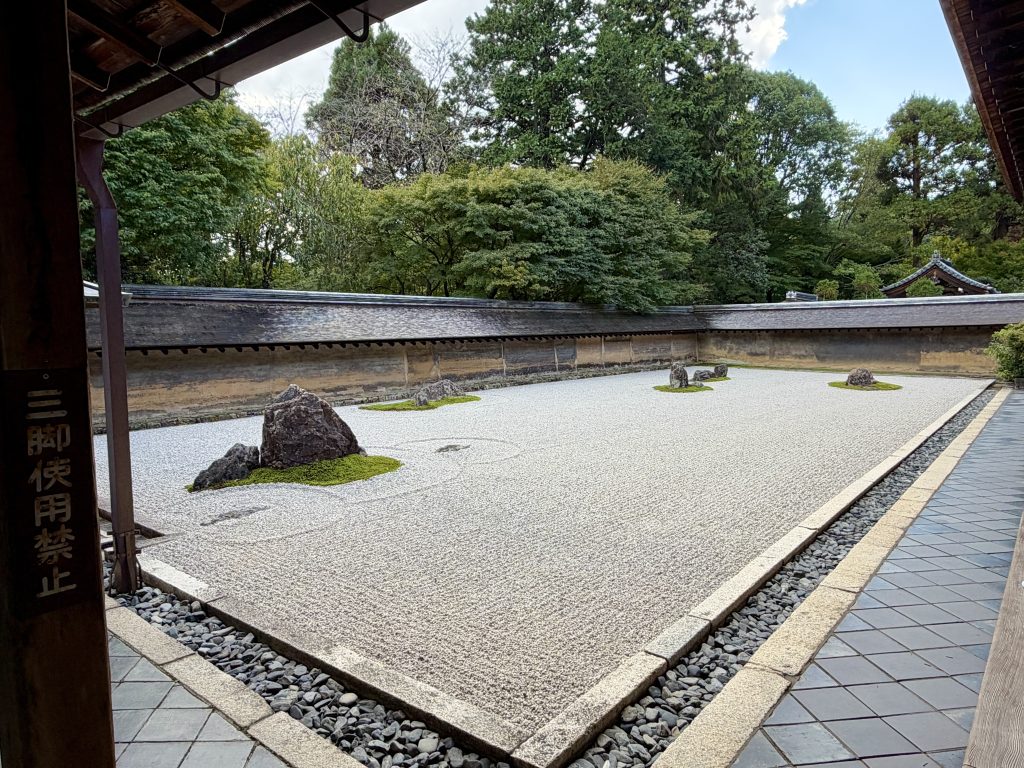
This temple which was originally the home of a local aristocrat was converted into a Zen temple in 1450. The temple is best known for its rock garden which is the best example of dry landscaping anywhere in the world. The original artist and meaning behind the garden have been lost to time, which allows the viewer to form their own opinions behind the meaning of the display. By design, the fifteen stones are not all visible simultaneously which is meant to encourage onlookers to take multiple perspectives and form their own memory of the garden.
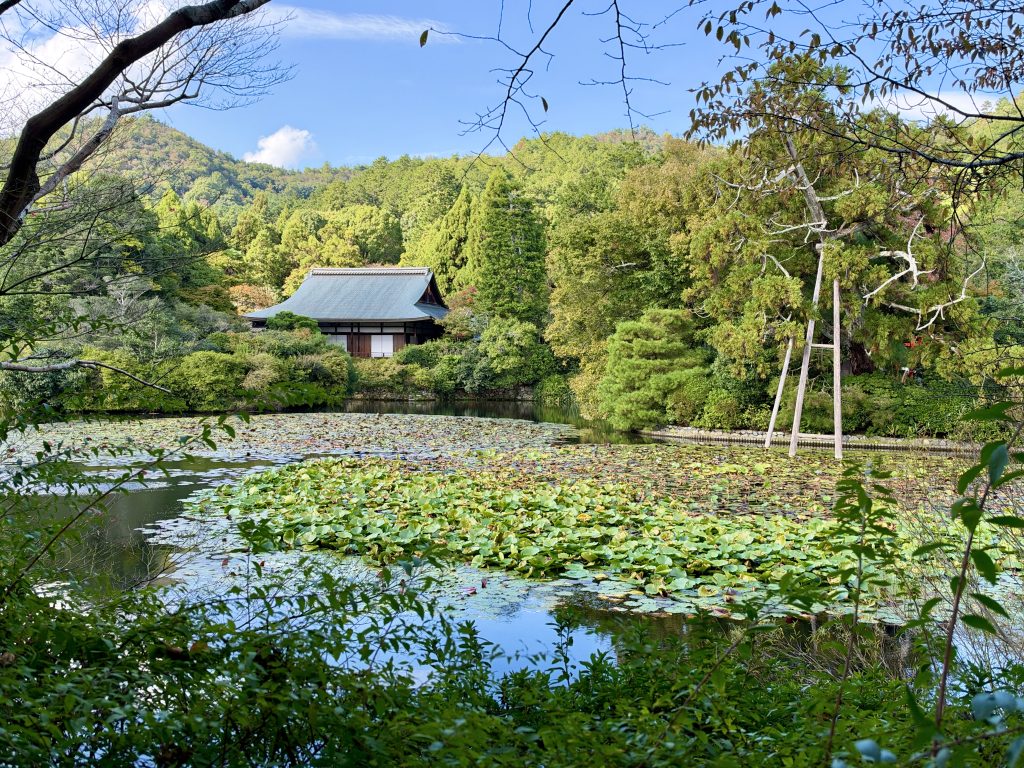
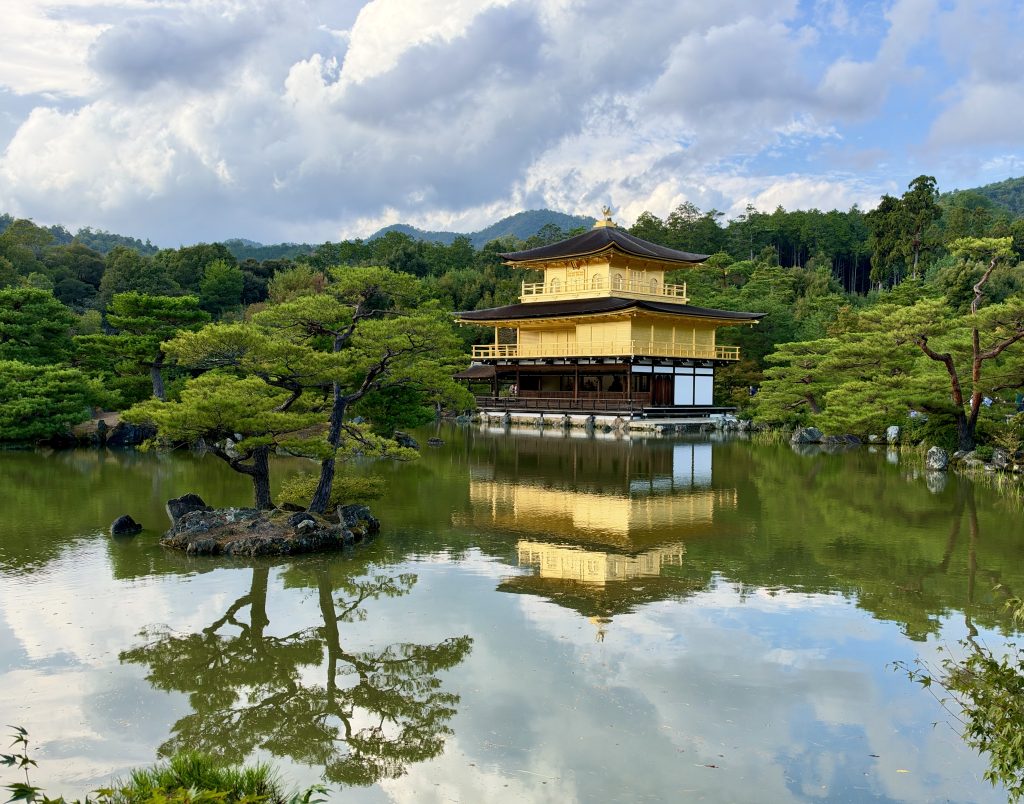
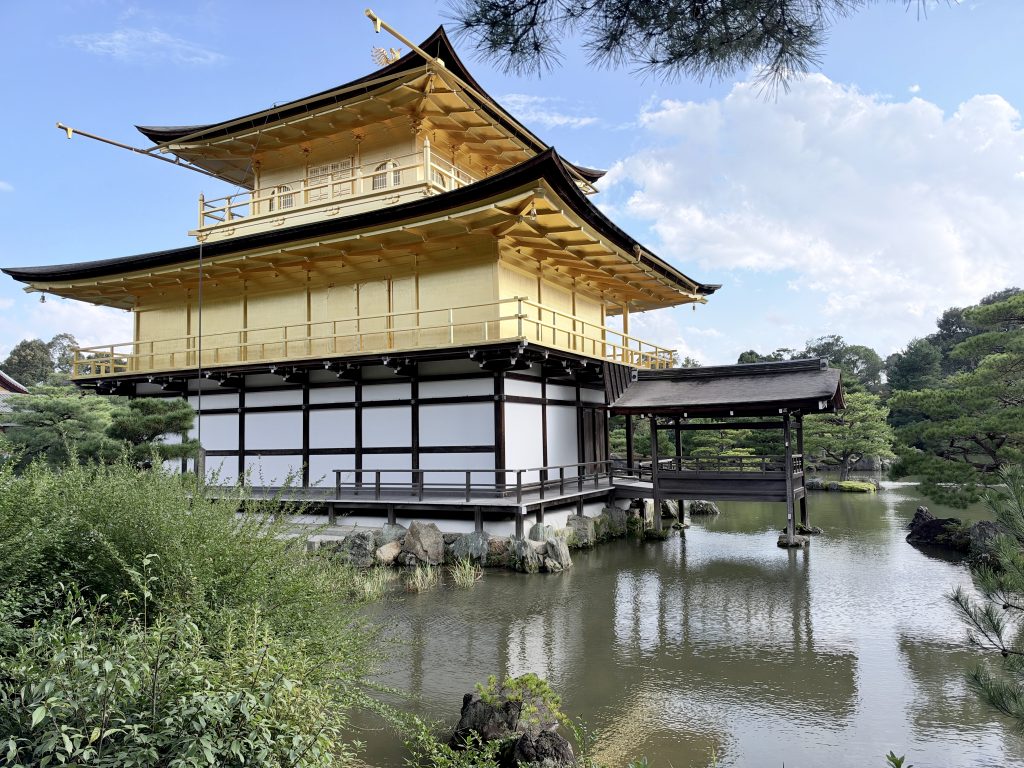
Finally we ventured over to our final Kyoto temple on our list Kinkaku-ji. Kinkaku-ji is best known for its reflecting pond and gold leaf façade. This stop brought us back into the crowds as this is one of the top three tourists attractions in Kyoto (the other two being Fushimi Inari and Arashiyama Bamboo Forest). After observing the temple it was clear why it has such wide appeal. The temple was strikingly beautiful as the gold leaf shone brightly against the late afternoon sunshine and reflected clearly across the tranquil waters of the adjoining pond.
Unlike Tokyo which has extensive rail and subway systems, Kyoto relies much more heavily on buses for public transportation. The bus system has been its own learning experience for us as the process is different than back home (you board in the back and pay when you get off). The Japanese process is very efficient and with most things related to public transportation there is a lot we can learn from Japan.
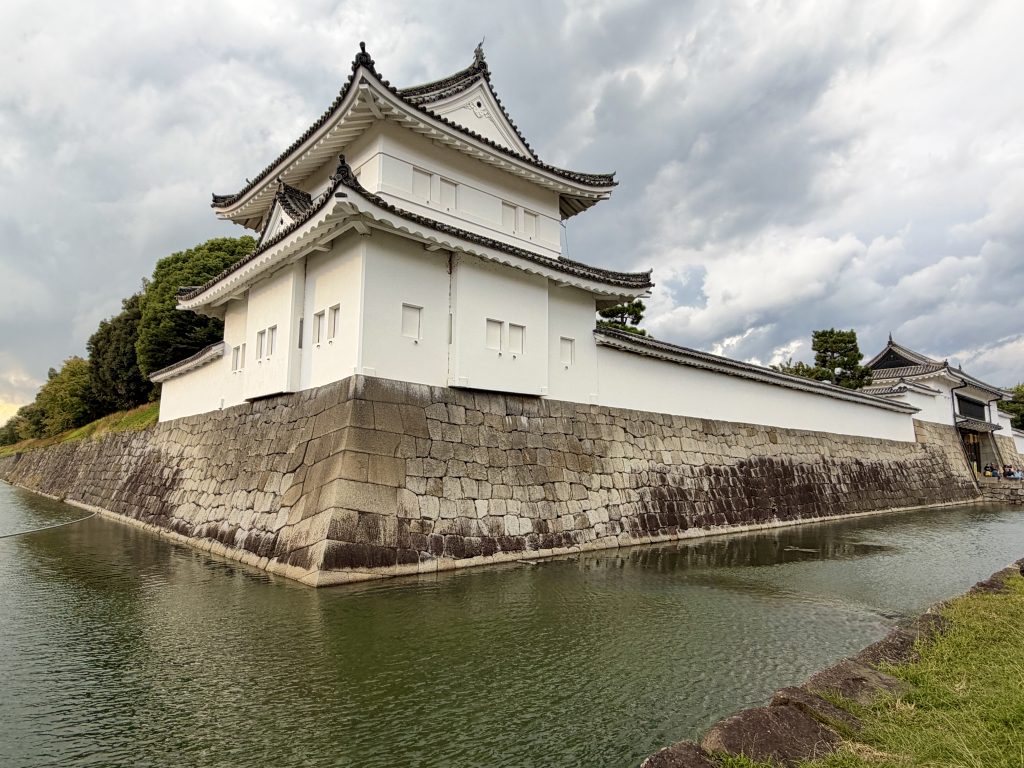
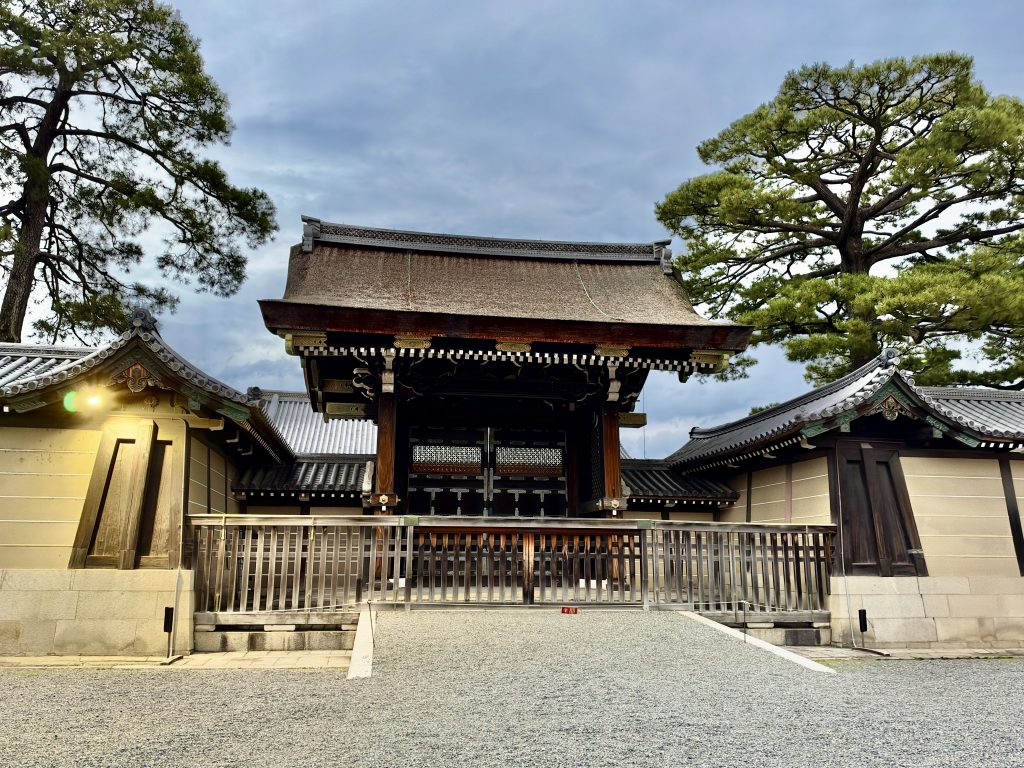
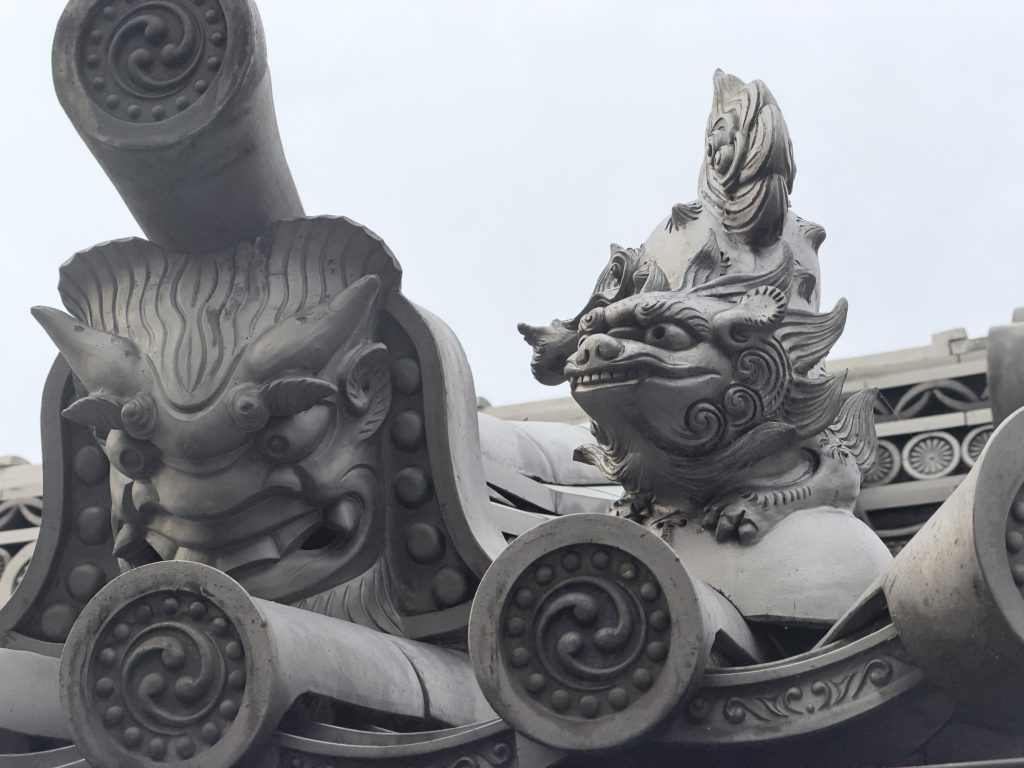
We wrapped up our day by walking around Nijo Castle and the Kyoto National Garden. Nijo Castle was built by the Tokugawa Shogunate in 1626 and served as the seat of power in Japan for over 200 years. As you will see from the pictures the outside is very similar in design to the Imperial Palace in Tokyo. The Kyoto National Garden is similar in purpose to Central Park (a reprieve from the hustle and bustle of the surrounding city). Within the National Garden is the Kyoto Imperial Palace which served as the residence of the imperial family for over 1000 years until the family moved to Tokyo in 1869.
For dinner we enjoyed dumplings and gyoza from a highly regarded izakaya which allowed us to sample a wide variety of dumplings (including chocolate filled ones for dessert). We continue to have delicious food for very reasonable prices everywhere we go in Japan. Tomorrow we are off to Hiroshima!

Leave a Reply
You must be logged in to post a comment.