Today marked the last day of our 3-day backpacking adventure on the Nakasendo Trail. After breakfast at our onsen, we explored the post town of Kiso-Fukushima. In the age of Edo period, Kiso-Fukushima served as one of the major checkpoints along the Nakasendo Route, sitting at the halfway point between Kyoto and Edo (Tokyo). Checkpoints served as important protection against invasion as well as a restrictive barrier to migration. Travelers were required to have a travel permit or written permission to pass through the various checkpoints along the Route, which was of course easier to obtain if you were of a higher social class and/or male. The movement of weapons was strictly regulated and specific authority outlining the purpose of travel was often required. We took the time to understand the history of these important post towns as well as continue to enjoy the natural beauty of the area. We even received a cultural lesson as there was a marathon being held in the city! Shop owners and community members lined the streets to cheer on the competitors (many of whom were children), cheering “Ganbare!” in encouragement. Like everything else in Japan, the organization was second to none.
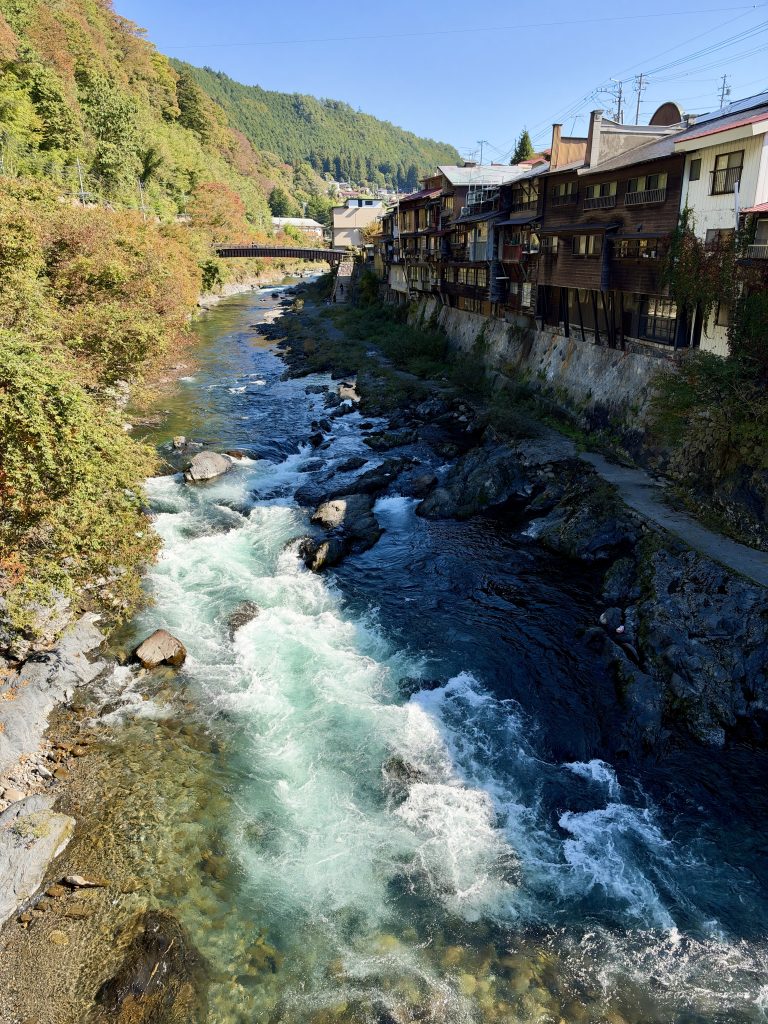
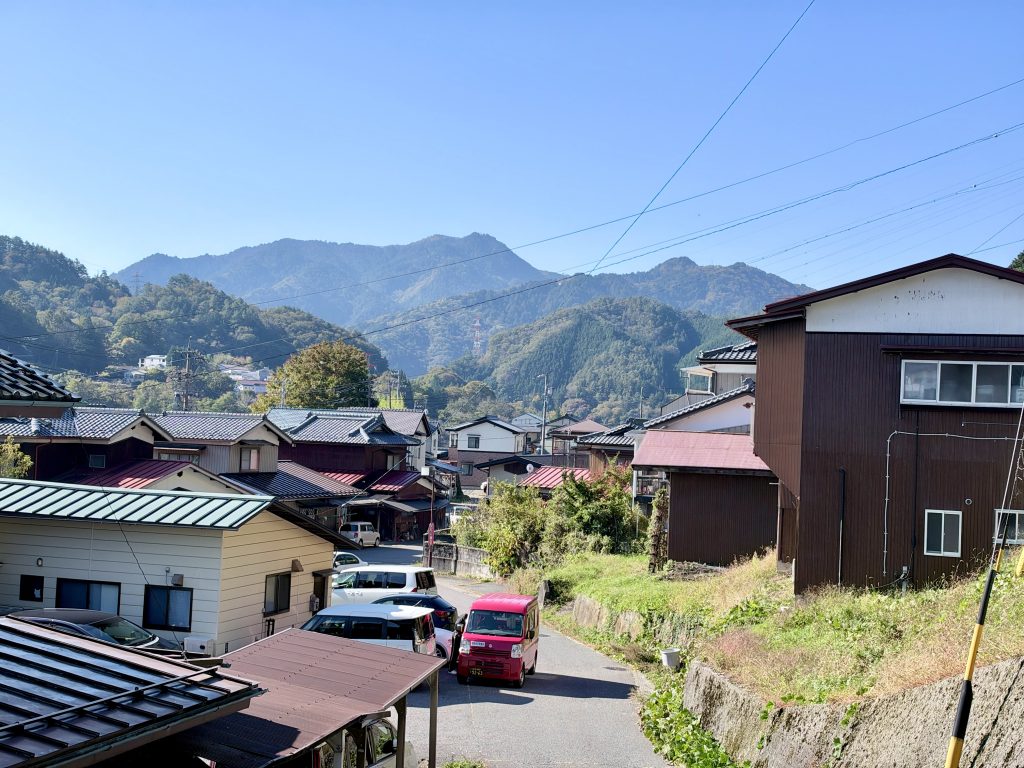
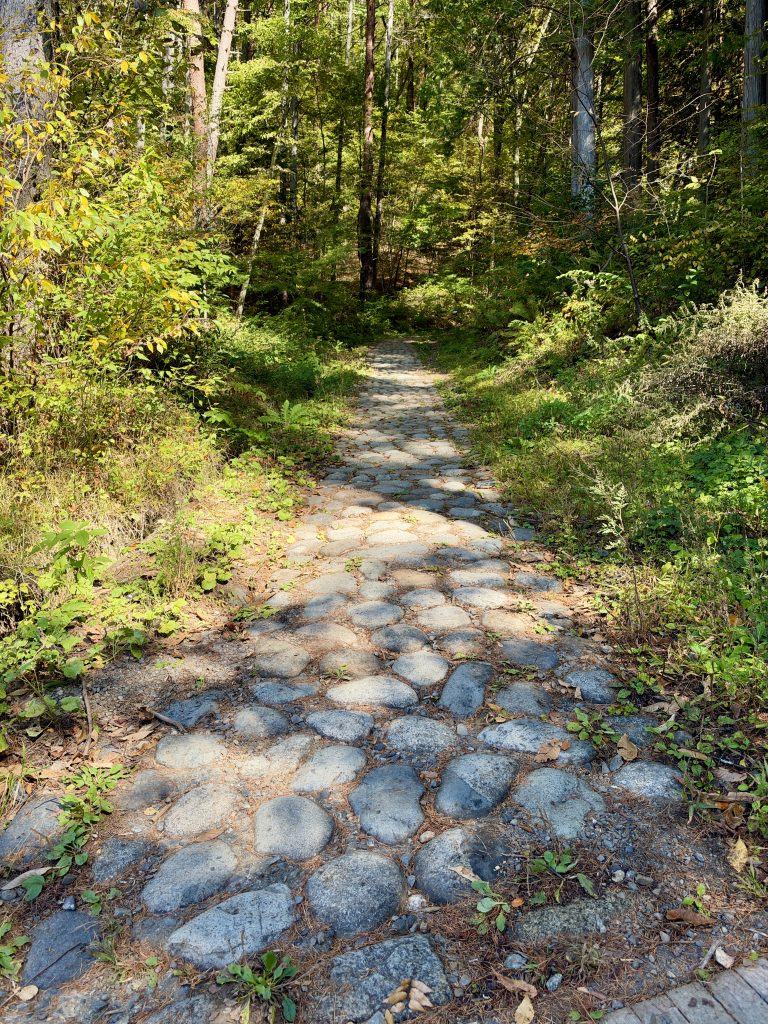
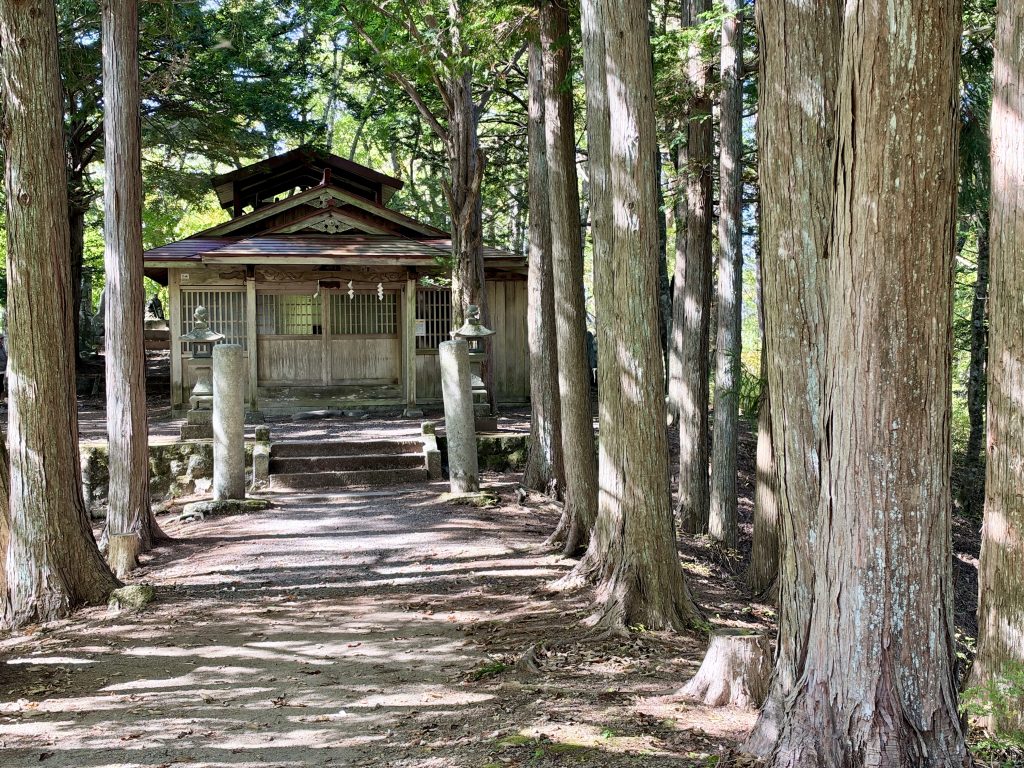
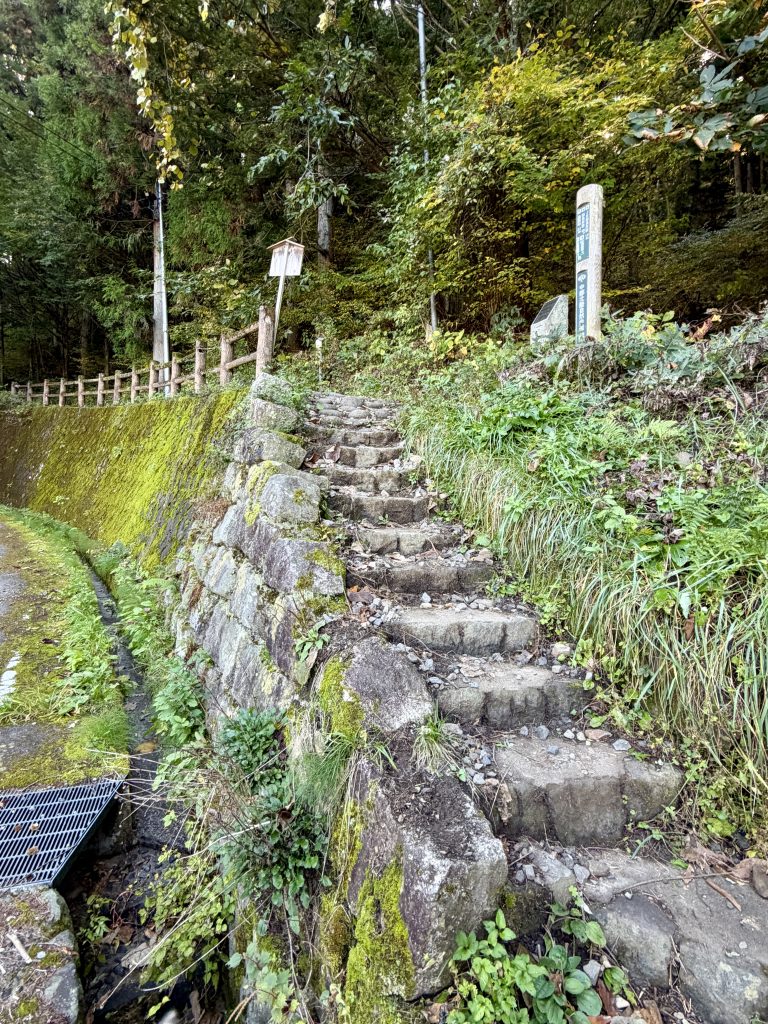
In the early afternoon we boarded the local train to travel farther up the Kiso Valley to Yabuhara to start our final hike. Today’s hike featured the original stone pathways used by travelers of the old Nakasendo Route. Although the shortest of our three days, it was also one of the steepest climbs over the Torii Pass – widely considered in the Edo period as one the toughest sections of the Nakasendo Route. Along the way we enjoyed spectacular views of the valley, old monuments commemorating various events, people or religious meanings, and shrines that seemingly popped up out of nowhere. Even though we were exhausted, it was impossible to not feel at peace in the surroundings.
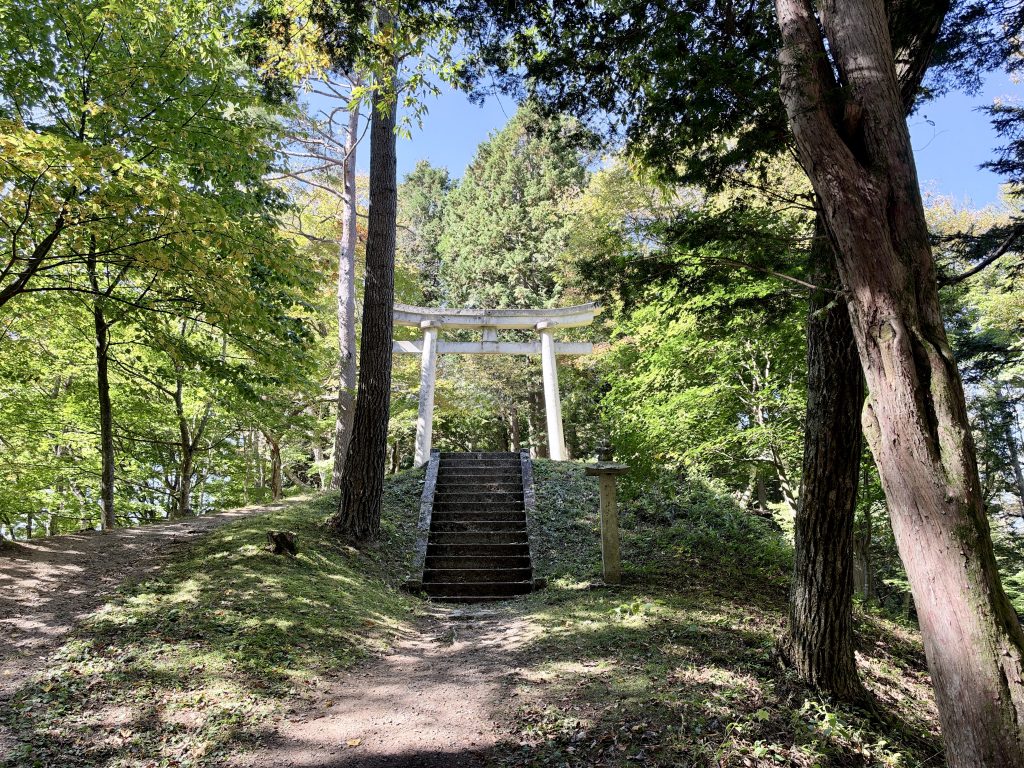
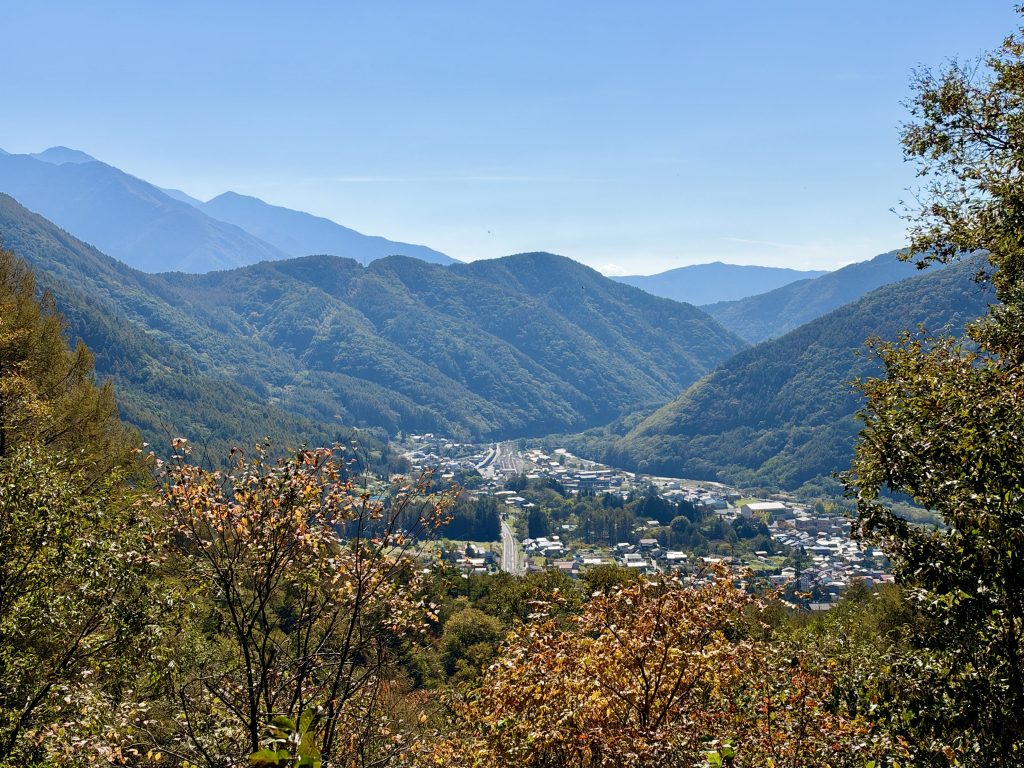
One of the wildest events of the day occurred on the trail when we ran across fellow hikers who commented on Jay’s University of Washington shirt, as they were wearing Washington shirts as well. Turns out, one of them is also from Carnation and lives only around 2 miles from us. It is baffling that there are three people from a town of around 2,500 that happen to run across each other on the other side of the world.
We arrived in perhaps the most famous and well-preserved post towns on the Nakasendo Route in the early afternoon: Narai. We toured a traditional Japanese house that was owned by a lacquer comb maker during the Edo period. Traces of lacquer, original flooring and preserved combs are still present in the residence.
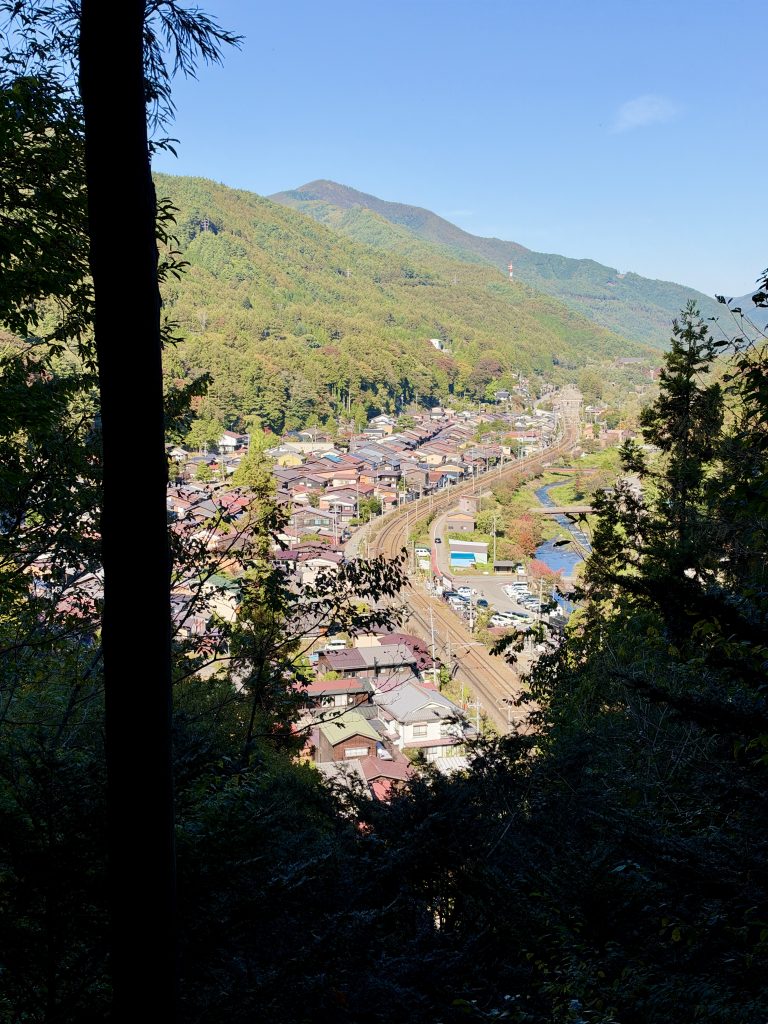
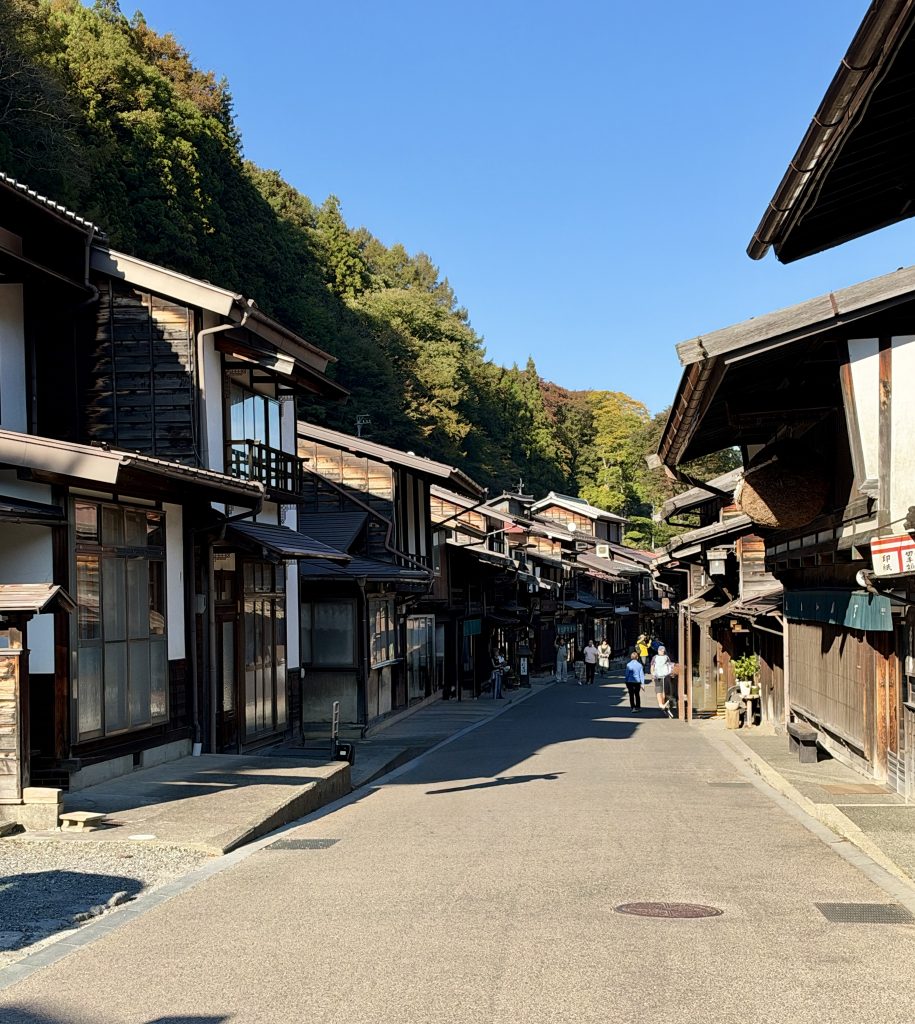
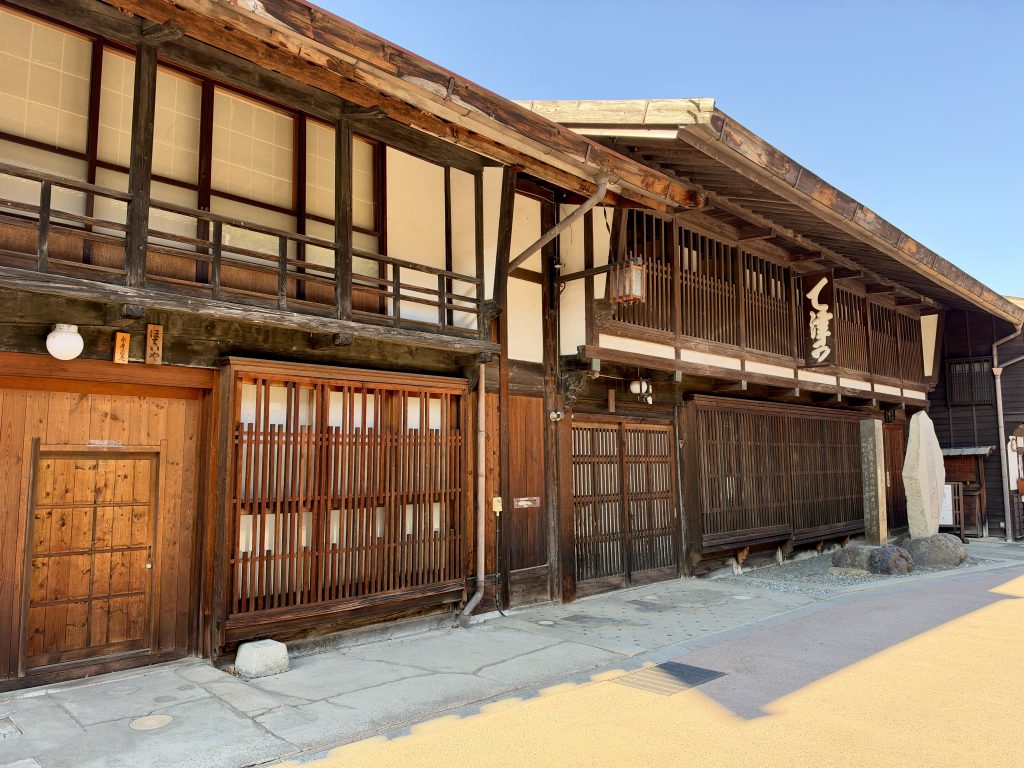
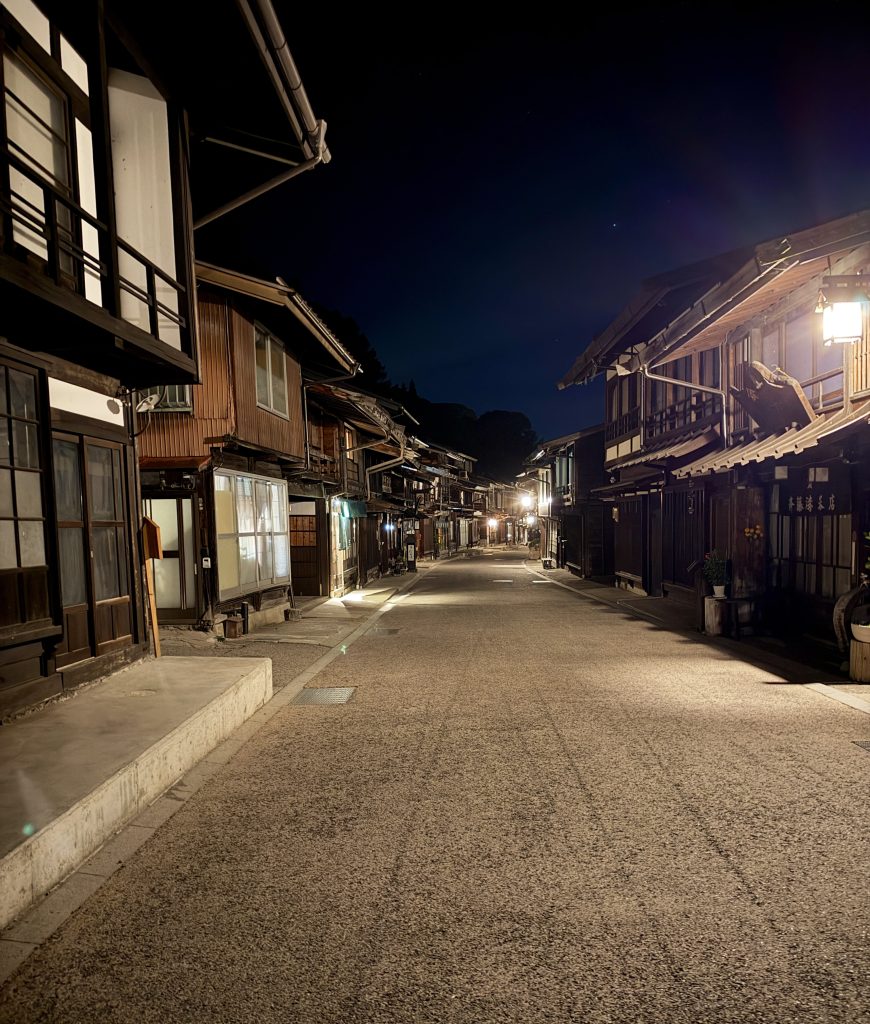
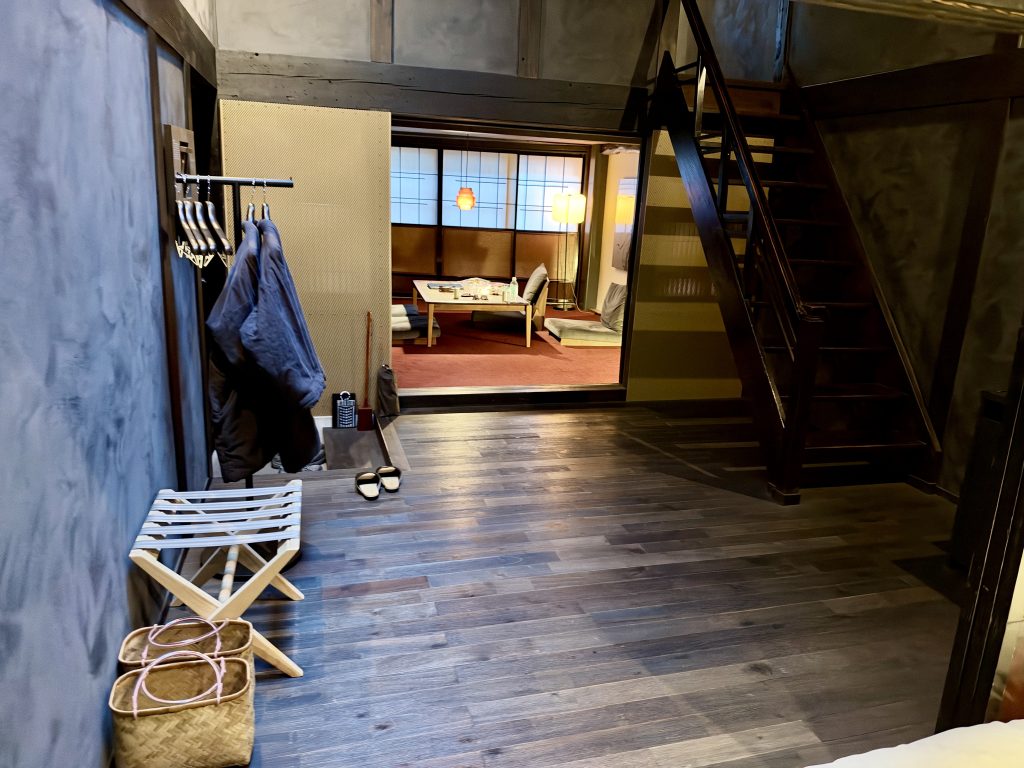
Tonight we are staying in a ryokan (a traditional Japanese inn) in the heart of Narai. The ryokan is made up of multiple properties throughout the town, all restored historic Edo-period buildings. We ate another traditional Japanese dinner with ingredients sourced from the Kiso valley and enjoyed walking the streets of the town at night, when we seemingly had the town to ourselves after a bustling day with other travelers. Because many modern travelers only see the Kiso Valley in day trips from larger cities and the cultural importance of preserving the history of the Nakasendo Route, the post towns do not have many accommodations in the towns themselves. This provides a unique perspective after dark for those of us lucky enough to be able to stay in the towns.
Tomorrow is a day of travel for us as we navigate 5 trains to end in Kyoto. Back to the hustle and bustle of the city after a few days on the move. We are very curious to see if our bags arrived in Kyoto after our experiment of using the intra-country luggage forwarding service.
Don’t forget to check out our Gallery if you want to see more pictures from our trip!

Leave a Reply
You must be logged in to post a comment.